
![Espresso vs Coffee Beans: Real Difference [Taste Test]](https://caffeinecue.com/wp-content/uploads/2026/06/Espresso-vs-Coffee-Beans-Real-Difference-Taste-Test-1024x512.jpg)
Espresso vs Coffee Beans: Key Taste Differences
Espresso and Coffee are enjoyed by many people, but not everyone knows how the beans, roast level, and brewing method affect their taste. Both drinks usually come from the same coffee beans, but they are prepared differently, which creates a unique flavor, aroma, body, and caffeine experience.
Espresso beans are often roasted darker and ground very finely. This helps create a strong, rich, and concentrated drink with a bold taste profile and creamy texture. Regular coffee beans may be roasted light, medium, or dark, depending on the desired flavor. They are usually brewed with more water, giving coffee a smoother, lighter, and more balanced taste.
Understanding the difference between espresso, coffee beans, roasting, grind size, brewing style, flavor notes, and coffee strength can help you choose the drink that matches your preference. In simple words, espresso is intense and concentrated, while regular coffee is milder and easier to sip slowly.
Understanding Espresso and Coffee Beans
This guide explains the key differences between espresso beans and coffee beans, highlights the best beans for espresso, and clears up the common myth that espresso is weaker than regular coffee. It also helps readers understand how flavor, strength, roast level, caffeine content, brewing method, and coffee extraction affect the final cup.
Espresso Beans and Coffee Beans: Key Differences
Espresso beans are a popular choice for people who enjoy a strong, smooth, and creamy coffee drink. These beans are usually roasted with care to develop a deep flavor profile, rich aroma, and natural coffee oils. These oils help create the golden creamy layer on top of an espresso shot, known as crema.
Because of their bold taste and full body, espresso beans are often used to make classic espresso, lattes, cappuccinos, and other strong espresso-based drinks.
Coffee Beans and Their Flavor Variety
Coffee beans come in many types, each with its own taste, aroma, roast level, and brewing style. Some beans, such as Colombian coffee beans, are known for their rich and strong flavor. Others, like Ethiopian Yirgacheffe, are loved for their light sweetness, floral notes, and bright acidity.
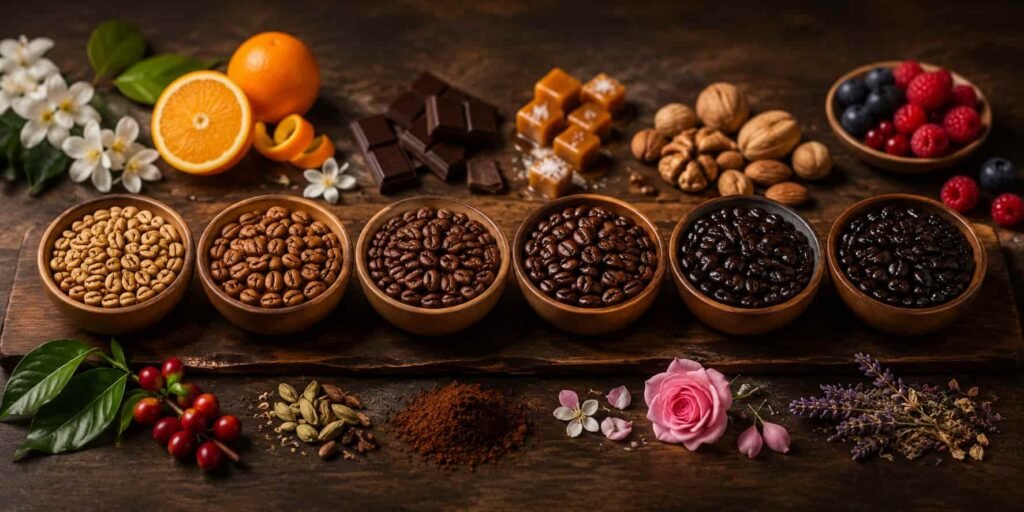
Coffee can be enjoyed as a light roast, medium roast, or dark roast, depending on your preferred strength, bitterness, sweetness, and overall coffee experience. This wide variety makes coffee suitable for many different tastes.
Taste Differences Between Espresso and Coffee Beans
Espresso beans and coffee beans have different flavor profiles, aromas, and taste notes. Espresso usually has a stronger and deeper taste, often with hints of chocolate, caramel, spices, and roasted sweetness. These beans are roasted carefully to bring out a rich, bold, and balanced coffee flavor.
Regular coffee beans offer more variety. Their taste can be sweet, fruity, floral, earthy, nutty, or slightly bitter, depending on the origin, roast level, and brewing method. This makes brewed coffee lighter and more flexible for different taste preferences.
Every coffee bean variety, including beans used for espresso shots, gives a different drinking experience. Some people enjoy the smooth and delicate taste of brewed coffee, while others prefer the strong body and intense flavor of espresso.
How to Choose the Best Espresso Beans?
To select high-quality espresso beans, start with freshly roasted coffee beans. Fresh beans keep more aroma, natural oils, and flavor, which helps create a better crema and a richer cup.
The roast level is also important. A light roast can give brighter, slightly smoky, and more acidic notes, while a dark roast usually gives a bolder, richer, and more intense espresso taste. Popular choices for premium espresso beans include Illy Classico, Blue Bottle Espresso, and Lavazza Super Crema.
Espresso vs Coffee: Caffeine Strength and Brewing Method
Caffeine Strength: Is Espresso Stronger Than Coffee?
Many people think espresso has more caffeine than regular coffee, but this is not always true. A single espresso shot usually contains about 63 mg of caffeine. Regular brewed coffee has around 12–16 mg of caffeine per ounce.
However, espresso tastes stronger because it is more concentrated and served in a smaller amount. Its bold flavor, thick body, and quick caffeine impact can make it feel more powerful than a normal cup of coffee.
Read Also: Natural Coffee Benefits You Should Know [Pure, Eco]How Espresso and Coffee Are Brewed
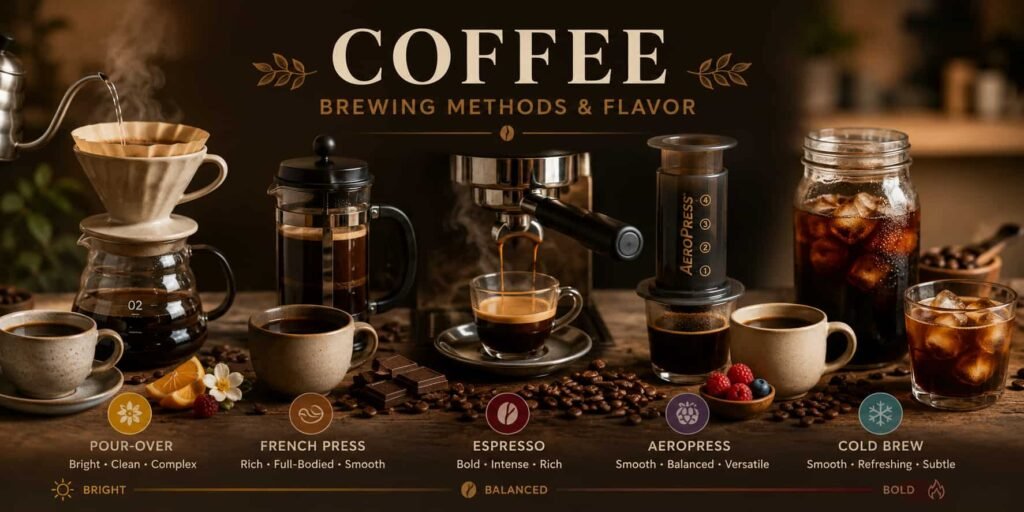
The brewing method is one of the main differences between espresso and regular coffee. Espresso is made by pushing hot water through finely ground coffee beans using high pressure. This fast extraction process creates a rich taste, strong aroma, thick texture, and creamy crema.
Regular coffee is usually brewed more slowly using methods like drip coffee, French press, pour-over, or cold brew. These methods use more water and a longer brewing time, which creates a lighter, smoother, and less concentrated drink.
Coffee Brewing Methods and Flavor
Regular coffee is usually prepared with methods such as drip coffee, French press, or pour-over brewing. These techniques use a slower extraction process, allowing the water to draw out the bean’s natural flavor, aroma, acidity, sweetness, and body more gently. As a result, brewed coffee often has a smoother, lighter, and more balanced taste profile compared to the stronger and more concentrated flavor of espresso.
How to Improve Your Coffee Brew
Making better coffee or espresso takes practice, patience, and attention to small details. Start with high-quality coffee beans, use the correct grind size, and control the water temperature and brewing time carefully.
You can also test different brewing methods, coffee-to-water ratios, and extraction techniques to find the flavor you enjoy most. Some people prefer a bold and rich espresso shot, while others like a smoother cup of brewed coffee.
The best part of improving your coffee experience is the process itself. Each cup helps you understand more about flavor, aroma, strength, body, acidity, and balance.
Health Benefits of Coffee and Espresso
Coffee and espresso are enjoyed for their rich flavor, strong aroma, and energizing effect. When taken in moderation, they may also support overall health and daily performance.
Many studies suggest that regular coffee consumption may be linked with a lower risk of certain health conditions, including type 2 diabetes, Parkinson’s disease, and Alzheimer’s disease. Both coffee and espresso contain caffeine, a natural stimulant that can help improve mental focus, support metabolism, increase alertness, and enhance physical performance.
However, balance is important. Drinking coffee or espresso in sensible amounts can be part of a healthy lifestyle, especially when it is not overloaded with sugar, cream, or artificial flavors.
Understanding Coffee Misconceptions: A Clear Breakdown
Espresso Taste Misunderstanding
A common belief is that espresso bitterness is natural or unavoidable. In reality, this is incorrect. When espresso is brewed correctly, it delivers a well-balanced flavor profile with layers of sweetness, depth, and richness rather than harsh bitterness. The taste depends on proper extraction, grind size, and brewing time, which directly influence sensory perception of coffee.
Caffeine Levels in Dark Roasts
Another widely held myth is that darker roasted coffee contains more caffeine content. In fact, the roasting process slightly reduces caffeine levels in coffee beans. This means lighter roasts often retain marginally more caffeine by weight. The confusion usually comes from taste strength, not actual caffeine quantity. Dark roasts taste stronger due to the intensified roasting process, but this does not mean higher caffeine levels.
Key Insight
Coffee quality and strength are shaped more by preparation and processing than common assumptions. Understanding how coffee myths, roasting process, and caffeine content actually work helps in making better choices and improving overall coffee experience.
Sustainable Coffee Production: Environmental and Social Responsibility
Responsible Consumption and Environmental Impact
Modern coffee consumption is closely linked with sustainability practices and global environmental outcomes. Consumers play a key role in reducing negative environmental impact by choosing products that support ethical farming systems. Sustainable coffee production helps protect ecosystems, reduce deforestation, and maintain biodiversity while also improving long-term soil health.

At the same time, strong social responsibility in the coffee supply chain ensures better working conditions and fair income for farmers. This strengthens rural economies and improves the overall livelihood of coffee farmers, making the industry more stable and equitable.
Certification and Ethical Standards in Coffee
When selecting coffee, certifications are important indicators of responsible production. Labels such as Fair Trade, Rainforest Alliance, and Organic certification signal that the product follows verified ethical sourcing standards and environmentally friendly farming methods.
These certifications ensure compliance with both ecological protection and fair labor practices, supporting a more transparent and sustainable coffee supply chain.
Key Insight
Sustainable coffee choices are not just about quality—they reflect broader environmental sustainability, ethical trade, and responsible consumption patterns that benefit both people and the planet.
Expert Coffee Selection Insights
Industry specialists recommend focusing on fresh coffee beans to maximize aroma, taste, and overall flavor profile. High-quality beans retain more natural oils and compounds that directly influence coffee quality and taste consistency. Experts also highlight that freshness plays a key role in coffee extraction and final cup performance.
Brewing Methods and Taste Optimization
Professionals suggest experimenting with different brewing methods such as espresso, pour-over, and French press to understand how each technique changes flavor development. Adjusting grind size, water ratio, and brewing time allows better control over coffee strength, acidity, and body. Trying multiple suppliers and roast types can help refine personal preferences through sensory analysis and taste profiling.
Read Also: 6 Side Effects Of Coffee You Should Not Ignore [Alert]Final Thought
In conclusion, espresso and regular coffee differ mainly in brewing method, roast level, grind size, and flavor concentration, which directly shapes the final drinking experience. Espresso delivers a strong, rich, and concentrated taste, while regular coffee offers a lighter, smoother, and more varied flavor profile.Understanding these differences helps you make better choices based on your personal preference for strength, aroma, and body.Myths around caffeine content and bitterness are often misleading; true coffee quality depends on proper extraction, roast selection, and brewing control. Ultimately, the best coffee experience comes from experimenting with beans, methods, and ratios to discover your ideal balance of flavor, strength, and aroma.
FAQ’s: Espresso vs Coffee Beans: Real Difference [Taste Test]
What is the difference between espresso and regular coffee?
Espresso and regular coffee can be made from the same coffee beans, but they are brewed differently. Espresso uses high pressure to push hot water through finely ground coffee, creating a strong, rich, and concentrated drink. Regular coffee is usually made by dripping, pouring, or steeping water through coarser coffee grounds, giving it a lighter taste and smoother body.
Does espresso have too much caffeine?
Espresso does not always have too much caffeine because it is served in a small shot size. It has more caffeine concentration per ounce than regular coffee, but a normal espresso shot usually contains less total caffeine than a full cup of brewed coffee. Since espresso has a strong flavor, rich aroma, and bold taste, it is often enjoyed plain or used in drinks like lattes, cappuccinos, and macchiatos.
Does espresso have more caffeine than coffee?
Espresso has more caffeine per ounce than regular coffee, but the total amount depends on the serving size. A small espresso shot usually has less total caffeine than a full 8-ounce cup of brewed coffee. So, espresso tastes stronger and more concentrated, but regular coffee often gives more caffeine in one serving.
Is coffee better than espresso?
Coffee is not always better than espresso; it depends on your taste, caffeine needs, and health goals. Both drinks contain helpful bioactive compounds, antioxidants, and natural plant nutrients that may support heart health, brain function, metabolism, and overall wellness. However, light-roast coffee may have more beneficial compounds than espresso, while espresso gives a stronger, richer taste in a smaller serving.
Does espresso have more calories than coffee?
Espresso has slightly more calories per ounce than regular coffee because it is more concentrated. However, a normal espresso shot is much smaller than a full cup of brewed coffee, so the total calories are usually low in both drinks. Most extra calories come from added milk, cream, sugar, syrups, or other mix-ins.