
![Coffee Benefits vs Risks [Health Check]](https://caffeinecue.com/wp-content/uploads/2026/06/Coffee-Benefits-vs-Risks-Health-Check-1024x512.jpg)
Coffee Benefits vs Risks: What They Mean for Your Health
Coffee is one of the most popular beverages in the world. Many people drink it every day for its energy boost, rich taste, and comforting routine. However, it is important to understand both the benefits and possible health risks of coffee before making it a regular part of your lifestyle.
Coffee may support mental alertness, improve focus, and help reduce tiredness because it contains caffeine, a natural stimulant. Some types of coffee also contain antioxidants, which may help protect the body from everyday cell damage.
At the same time, coffee can affect people differently. Drinking too much coffee may lead to sleep problems, anxiety, increased heart rate, or digestive discomfort. The health impact can also change based on the type of coffee, the amount consumed, and added ingredients such as sugar, cream, flavoured syrups, or artificial sweeteners.
Different coffee products, including black coffee, instant coffee, iced coffee, espresso, and speciality drinks, may offer different levels of caffeine, calories, and additives. This is why it is helpful to compare coffee choices and understand what each one may mean for your daily health, energy levels, and overall well-being.
In simple words, coffee can be part of a balanced lifestyle when consumed wisely. Knowing the benefits and risks of coffee helps you make better choices based on your body, routine, and health needs.
Coffee Pouches: Possible Health Risks You Should Know
Coffee pouches are small oral pouches filled with ground coffee. They are placed inside the mouth, where the body can absorb caffeine quickly. Many people use them as a tobacco-free alternative because they do not involve smoking or chewing tobacco.
However, coffee pouches are not risk-free. Although they may seem like a cleaner option, they can still affect the body because of their high caffeine content.
One major concern is caffeine sensitivity. Using coffee pouches too often may cause headaches, sleep problems, restlessness, stomach discomfort, and digestive issues. Since caffeine can enter the body quickly through the mouth, its effects may feel stronger and faster than drinking regular coffee.
Frequent use may also increase heart rate and raise blood pressure, especially in people who are sensitive to caffeine or already have heart-related concerns. Another possible issue is mouth irritation. Holding the pouch against the gums may lead to gum discomfort, oral irritation, or soreness over time.
There is also a risk of habit formation. Because coffee pouches provide a fast energy boost, some users may begin to rely on them regularly. This can increase the chance of caffeine dependence.
In simple terms, coffee pouches may offer quick energy, but they should be used carefully. Understanding their health risks, caffeine effects, and possible impact on oral health can help users make safer choices.
Read Also: What Is Maca Coffee? Roots & Perks [Safety Guide]Aluminum Coffee Pods: Health and Environmental Concerns
Aluminum coffee pods are widely used because they are quick, easy, and suitable for single-serve coffee machines. They also offer many coffee flavors, making them convenient for people who want a fast cup of coffee without using traditional brewing equipment.
However, some people worry about the possible health risks linked to aluminum pods. When pods are exposed to heat during brewing, small amounts of aluminum may transfer into the coffee. High aluminum exposure has been studied for its possible connection with neurological health, bone health, and conditions such as Alzheimer’s disease. However, aluminum coffee pods alone should not be seen as a proven direct cause of these health problems.
Another concern is the environmental impact. Many aluminum pods create extra coffee waste, especially when they are not properly recycled. This can add to landfill waste and make single-use coffee products less sustainable.
To reduce possible risks, users can choose recyclable coffee pods, stainless steel pods, biodegradable coffee pods, or reusable alternatives. Traditional brewing methods, such as a French press, drip coffee maker, or pour-over coffee, can also be better choices for people who want more control over their coffee and less packaging waste.
In simple terms, aluminum coffee pods are convenient, but they may raise concerns about aluminum exposure, coffee safety, sustainability, and waste reduction. Choosing safer materials and eco-friendly brewing methods can help support both personal health and the environment.
Coffee Mate Powder Creamer: Possible Health Concerns
Coffee Mate powder creamer is commonly used to make coffee taste smoother, creamier, and richer. Many people choose it because it is convenient, easy to store, and gives coffee a sweet, creamy flavor without using fresh milk.
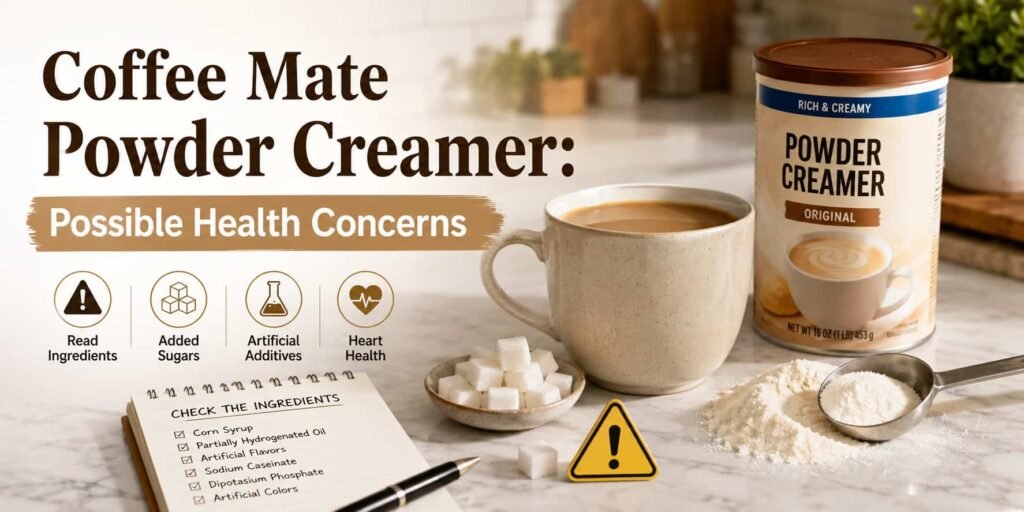
However, some powdered coffee creamers may contain ingredients that are worth checking. Certain creamers include added sugar, artificial flavors, processed oils, and other food additives. When used often, these ingredients may affect overall diet quality and increase the intake of extra calories.
One concern is the possible presence of partially hydrogenated oils or unhealthy fats in some non-dairy creamers. These fats may negatively affect cholesterol levels and may support a higher risk of heart health problems when consumed regularly as part of an unhealthy diet.
Another issue is sugar content. Using too much sweetened creamer may contribute to weight gain, poor blood sugar control, and a higher risk of type 2 diabetes over time. Artificial ingredients may also be a concern for people who prefer a more natural coffee routine.
Healthier options include milk, low-fat milk, almond milk, oat milk, coconut milk, or other natural coffee creamer alternatives. These choices can still give coffee a creamy texture while offering nutrients such as calcium, vitamins, and sometimes protein.
In simple terms, Coffee Mate powder creamer can improve the taste of coffee, but regular use should be balanced. Reading the nutrition label, checking for added sugars, and choosing cleaner non-dairy creamer alternatives can help support better daily health and smarter coffee habits.
Coffee County Health Department TN: Community Health Services
The Coffee County Health Department in Tennessee plays an important role in protecting and improving public health for local residents. It supports the community by offering essential health services, preventive care, and educational programs that help people make better health decisions.
The department provides services such as immunizations, health screenings, family planning, and nutrition counseling. These services help residents prevent illness, manage health concerns, and access basic care closer to home.
A major focus of the department is disease prevention. Through public education, the health department teaches people about healthy habits, early detection, vaccinations, and ways to reduce the spread of illness. This helps build a safer and healthier community.
The Coffee County Health Department also works with local schools, businesses, and community organizations to make health resources easier to access. These partnerships allow more people to receive useful information and support when they need it.
During public health emergencies, such as the COVID-19 pandemic, the department helped protect residents by providing testing, vaccinations, and reliable public health information.
In simple terms, the Coffee County Health Department TN is an important local resource for preventive healthcare, community wellness, disease control, and health education.
Cinnamon in Coffee: Possible Health Benefits
Adding cinnamon to coffee can improve both the taste and nutritional value of your daily drink. Cinnamon has a warm, slightly sweet flavor, which can make coffee taste richer without adding extra sugar or high-calorie sweeteners.
One of the main benefits of cinnamon is its possible role in supporting blood sugar control. Some studies suggest that cinnamon may help improve insulin sensitivity, which can be useful for people who want to manage their glucose levels or support better metabolic health.
Cinnamon is also known for its antioxidant properties. Antioxidants help protect the body from free radical damage, which is linked to inflammation, ageing, and long-term health issues. Because of this, cinnamon may support overall heart health, cell protection, and general wellness.
Another possible benefit is immune support. Cinnamon contains natural compounds with antibacterial and antiviral properties, which may help the body defend itself against certain germs. However, it should not be used as a replacement for medical treatment or a balanced diet.
In simple terms, adding a small amount of cinnamon in coffee may support blood sugar balance, antioxidant protection, immune health, and better flavor. It is an easy way to make your coffee more enjoyable and potentially healthier.
Cold Brew Coffee: Key Benefits and Health Advantages
Cold brew coffee is made by soaking coffee grounds in cold water for several hours. This slow brewing method creates a smooth, mild, and naturally sweeter coffee taste compared to regular hot coffee.
One of the main advantages of cold brew is its lower acidity. Because it is brewed without heat, it may feel gentler on the stomach and may be less likely to cause heartburn, acid reflux, or digestive discomfort for some people.
Cold brew coffee also contains natural antioxidants, which help protect the body from free radicals and oxidative stress. These compounds may support overall cell health, heart health, and long-term wellness when coffee is enjoyed as part of a balanced lifestyle.
Another benefit is its smooth flavor. Since cold brew is less bitter, many people can enjoy it with less sugar, cream, or flavored syrup. This may make it a better choice for people who want a cleaner and lower-calorie coffee drink.
In simple terms, cold brew coffee may offer a smoother taste, lower acidity, better stomach comfort, and useful antioxidant benefits. It can be a refreshing option for people who enjoy coffee but want a milder drinking experience.
Cold Brew Coffee: Energy, Mood, and Refreshing Benefits
Cold brew coffee may help support better mood, improved focus, and steady energy levels. Because it is brewed slowly in cold water, it often has a smooth taste and may feel easier to drink than stronger, more bitter coffee.
Cold brew usually contains a higher amount of caffeine than some regular coffee drinks, depending on how it is prepared. This caffeine boost can help reduce tiredness, improve mental alertness, and support longer-lasting energy during the day. For some people, cold brew may also feel less harsh and may cause fewer jitters, especially when enjoyed in a moderate amount.
Another benefit of cold brew coffee is that it is cool, light, and refreshing. This makes it a popular choice in warm weather or hot climates. When served over ice, it can be an enjoyable drink for people who want both refreshment and a gentle energy lift.
In simple terms, cold brew coffee can be a smooth and refreshing way to enjoy coffee while supporting daily energy, focus, alertness, and overall drinking comfort.
Read Also: Why Coconut Coffee Is Trending [Health Benefits]Matcha and Coffee: Which Drink Supports Health Better?
Matcha and coffee are both popular drinks, and each one offers different health benefits. Matcha comes from finely ground green tea leaves, so it contains a high amount of antioxidants, especially catechins. These natural compounds may help protect the body from cell damage and support overall wellness.
Matcha also supports brain function and gives a smoother type of energy. It contains caffeine, but it also has L-theanine, an amino acid that helps the mind feel calm and focused. This balance can improve mental alertness, concentration, and relaxation without making the body feel too restless.
Coffee can also improve focus, alertness, and physical energy because it has more caffeine. However, some people may feel jittery after drinking it. In comparison, matcha often gives a slower and more stable energy boost, which makes it a good choice for people who want both calm focus and steady performance.
Coffee or Matcha: Which One Gives Better Energy?
Coffee is well known for improving alertness, focus, and concentration. It contains caffeine, which gives the body a fast and strong energy boost. Coffee also provides antioxidants, which may support overall health and help protect the body from cell damage. Some studies also connect regular coffee intake with a lower risk of certain brain-related conditions, including Parkinson’s disease and Alzheimer’s disease.
However, coffee may not suit everyone. People who are sensitive to caffeine may feel jittery, anxious, or have trouble sleeping after drinking it.
Matcha, on the other hand, gives a slower and more balanced type of energy. It contains caffeine along with L-theanine, which may support calm focus, mental clarity, and relaxation without making a person feel sleepy.
Both drinks have their own health benefits. Matcha is better for steady energy and a calm mind, while coffee is better for quick alertness and stronger stimulation. The better choice depends on personal taste, daily routine, and how the body reacts to caffeine.
Complete Care Services at Integris Health Medical Group Coffee Creek
Integris Health Medical Group Coffee Creek provides trusted healthcare services for individuals and families. The clinic offers family medicine, women’s health, pediatric care, and chronic disease management. Its main goal is to give patient-centered care, so every patient receives treatment that fits their personal health needs.

The clinic’s skilled healthcare professionals work to improve the well-being of the local community. They provide important preventive care services, including immunizations, health screenings, and regular wellness check-ups. They also guide patients on healthy living, disease prevention, and better daily health habits.
Overall, Integris Health Medical Group Coffee Creek plays an important role in supporting community health. It helps patients manage long-term health problems, make healthier lifestyle choices, and receive quality medical care in a supportive environment.
Coffee and Cinnamon: A Healthy Daily Blend
Adding cinnamon to coffee can make your drink more flavorful and may offer extra health benefits. Coffee contains caffeine, which can help increase energy, improve alertness, and support a faster metabolism. Cinnamon may help manage blood sugar levels, which can support better weight management when combined with a balanced diet.
This drink may also support brain function. Coffee can improve focus, concentration, and mental alertness, while cinnamon may support better cognitive performance. Both ingredients are also rich in antioxidants, which help protect the body from inflammation and cell damage.
Drinking coffee with cinnamon is an easy way to enjoy a warm, tasty, and potentially healthier beverage. It can support energy, metabolism, blood sugar control, brain health, and overall wellness when used in moderation.
Coffee, Hip-Hop, and Mental Wellness Support
The Coffee, Hip-Hop, and Mental Health initiative uses music, coffee, and community conversations to support mental well-being. Its main goal is to reduce the stigma around mental health issues and make people feel more comfortable talking about their struggles.
The initiative organizes events where people enjoy coffee, listen to hip-hop music, and take part in honest discussions about emotional health, stress, healing, and support. These gatherings create a safe and welcoming space where participants can share their experiences, connect with others, and feel less alone.
The event photos show people building strong community bonds through music, conversation, and mutual care. This initiative highlights how art, culture, social connection, and community engagement can raise mental health awareness and encourage people to seek help when they need it.
Cold Brew Coffee and Its Wellness Benefits
Cold brew coffee is a smooth and refreshing drink that may offer several health benefits. It usually has lower acidity than regular hot coffee, so it may feel gentler on the stomach. This can make it a better choice for people who are sensitive to acidic drinks or often experience acid reflux.
Cold brew is made by soaking coffee grounds in cold water for several hours. This slow brewing process creates a mild, rich, and less bitter taste. Because of its cool and smooth flavor, many people enjoy it during warm weather as a refreshing coffee beverage.
Cold brew coffee also contains antioxidants, which help protect body cells from damage. Its natural caffeine may improve energy, mood, focus, and mental alertness without the strong taste of traditional hot coffee. It can also contribute to daily fluid intake, but it should not replace water.
Overall, cold brew coffee can be a good option for people who want a refreshing, less acidic, and energizing drink that supports digestive comfort, cell protection, mental focus, and overall wellness.
Possible Health Benefits of DXN Coffee
DXN coffee may offer some health benefits because it contains Lingzhi mushroom, also known as Reishi mushroom. This mushroom has a long history in traditional medicine and is often linked with immune support, wellness, and better body defense.
The Reishi mushroom in DXN coffee contains natural bioactive compounds that may help support the immune system and promote general health. However, DXN coffee should not be treated as a medical cure. It can be enjoyed as part of a balanced lifestyle, but people with health conditions should speak with a healthcare professional before using it regularly.
DXN coffee combines the revitalizing properties of coffee with the health benefits of Lingzhi mushrooms, offering a balanced energy boost without caffeine jitters, improving sleep quality, and enhancing overall well-being.
The antioxidants present in Lingzhi mushrooms help protect cells and boost the immune system, making DXN coffee a healthful addition to your dietary choices.
Wellness-Focused Menu for Coffee, Hip-Hop, and Mental Health
The Coffee, Hip-Hop, and Mental Health project offers a thoughtful menu designed to support both mental wellness and physical health. The menu includes comforting coffee drinks, refreshing options, and healthy snacks that help people feel relaxed, energized, and connected.
Guests can choose from classic coffee brews, creative coffee blends, and light food options such as fruits, nuts, and granola bars. These choices provide natural energy, support better mood, and create a warm environment for community connection, healing, and open mental health conversations.
Overall, the menu adds value to the initiative by combining coffee culture, healthy eating, hip-hop music, and mental health awareness in one supportive space.
Final Thought
Coffee can support energy, focus, mental alertness, and overall wellness when consumed in a balanced way.Different forms, such as cold brew coffee, black coffee, coffee with cinnamon, and matcha alternatives, offer unique health benefits.However, products like coffee pouches, aluminum coffee pods, and sweet coffee creamers may also bring possible health risks.The best choice depends on caffeine tolerance, daily routine, ingredients, and personal health needs.Coffee-related initiatives, such as Coffee, Hip-Hop, and Mental Health, also show how coffee culture can support community connection and mental well-being.In simple terms, coffee can be a healthy part of life when people choose wisely, avoid excess, and understand both its benefits and risks.
FAQ’s: Coffee Benefits vs Risks [Health Check]
Is coffee bad for you?
Coffee is not bad for most people when they drink it in moderation. It may support brain alertness, provide antioxidants, and help lower the risk of some chronic diseases, such as type 2 diabetes, Parkinson’s disease, and certain cancers. However, drinking too much coffee can cause anxiety, poor sleep, fast heartbeat, digestive discomfort, and caffeine dependence. The healthiest choice is to drink coffee in a balanced amount and avoid too much sugar, cream, or flavored syrup.
Is coffee intolerance a health hazard?
Coffee intolerance is not usually a serious health hazard, but it can cause uncomfortable side effects in some people. Because every body reacts differently, some individuals may feel stomach irritation, anxiety, headaches, fast heartbeat, or sleep problems after drinking coffee. These reactions show individual sensitivity to caffeine and other coffee compounds. For most people, moderate coffee consumption can offer health benefits, but those with intolerance should limit or avoid it based on their body’s response.
Does coffee lower the risk of Alzheimer’s disease by 65%?
Some studies suggest that regular coffee consumption may be linked to a lower risk of Alzheimer’s disease and cognitive decline. Coffee contains caffeine, antioxidants, and bioactive compounds that may support brain health, improve mental alertness, and protect brain cells from oxidative stress. However, the claim that coffee lowers Alzheimer’s risk by 65% should be used carefully, because research results can vary by age, lifestyle, genetics, and overall health.
Is coffee good for you?
Coffee can be good for many people when consumed in moderation. It contains antioxidants and bioactive compounds that may help reduce inflammation and oxidative stress. Regular coffee consumption has also been linked to a lower risk of obesity, metabolic syndrome, type 2 diabetes, some cancers, and all-cause mortality. However, too much coffee may cause anxiety, sleep problems, or fast heartbeat, especially in people sensitive to caffeine.
What are the health benefits of drinking coffee daily?
Drinking coffee in moderation may support mental alertness, focus, mood, and lower fatigue because it contains caffeine. Coffee also provides antioxidants, which may help protect the body from cell damage and support overall health. Some studies suggest that regular coffee intake may be linked with a lower risk of certain conditions, including colorectal cancer. However, pregnant women, the fetus, and young children can be sensitive to caffeine, so intake should stay limited. For most people, moderate daily coffee can be part of a healthy lifestyle.