
![Coffee Tourism: Explore Global Cultures [Ultimate Guide]](https://caffeinecue.com/wp-content/uploads/2026/06/Coffee-Tourism-Explore-Global-Cultures-Ultimate-Guide-1024x512.jpg)
Coffee Tourism is a growing travel trend that allows visitors to explore the origin, culture, and heritage of coffee. This unique travel experience gives coffee enthusiasts an opportunity to see coffee plantations, learn about coffee cultivation, and understand the complete coffee production process from farm to cup.
Travelers can walk through lush coffee farms, observe coffee plants, interact with local communities, and enjoy freshly brewed coffee. By combining education, cultural immersion, coffee tasting, and agritourism, coffee tourism offers an engaging and memorable journey for coffee lovers seeking authentic experiences.
Immersive Coffee Travel Experiences
Coffee tourism is a fast-growing travel niche in the travel industry. It attracts people who want unique and immersive experiences centered around coffee culture. This form of travel takes visitors to coffee-producing countries, where they can learn how coffee is made and understand its cultural value.
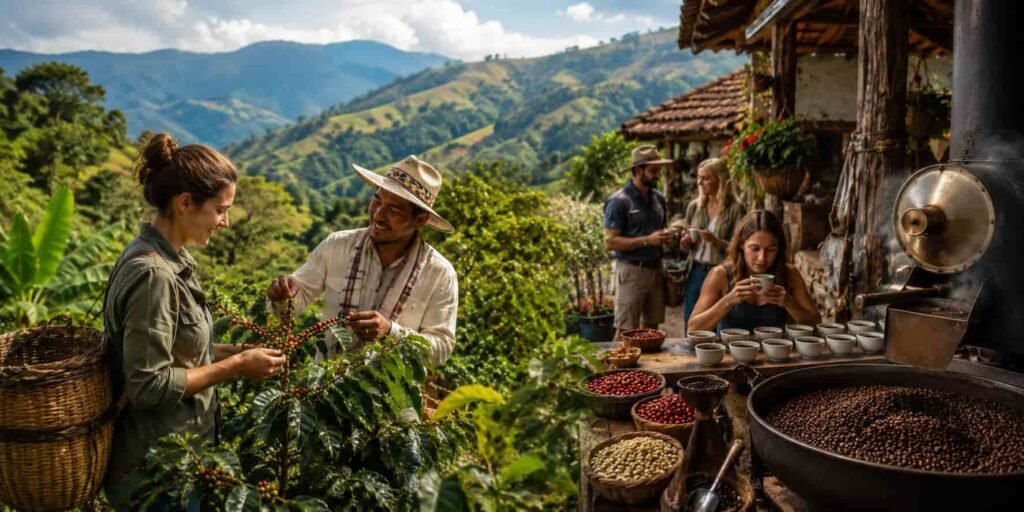
This experience includes exploring coffee cultivation, coffee processing, and brewing methods of coffee beans. Travelers get to see the complete coffee production process, often described as “farm to cup.” It gives enthusiasts a clear and simple view of how coffee moves from plantations to the final cup, making it both educational and engaging.
Read Also: 9 Interesting Facts About Coffee [Dark Secrets & Myths]Historical Roots of Coffee Tourism
Ethiopia, known as the original birthplace of coffee, is a key destination for coffee tourism. As global demand for coffee has increased, more travelers have become interested in seeing how coffee is grown and produced in real life.
What started as simple farm visits has now developed into full travel experiences and tourism packages. These often include culinary learning, cultural education, and awareness of sustainable practices in the coffee industry.
Today, coffee tours focus not only on tasting coffee but also on understanding its history, production journey, and the importance of sustainability in agriculture.
Leading Global Coffee Tourism Destinations
Coffee tourism destinations are spread across many parts of the world, each offering a unique coffee culture and travel experience for coffee enthusiasts. Popular regions include the green coffee plantations of Costa Rica and the misty highlands of Colombia, both known for rich coffee production traditions.
Other major destinations such as Ethiopia, Brazil, Guatemala, and Vietnam also provide distinct insights into the global coffee industry, showcasing different methods of coffee cultivation, processing, and local brewing practices.
Impact on Local Communities and Sustainable Growth
Coffee tourism also supports local economies in coffee-producing regions. It helps small businesses, rural towns, and small-scale coffee farmers by increasing income opportunities through tourism.
By encouraging travelers to engage with sustainable coffee farming, it helps preserve traditional agricultural practices and promotes fair and stable earnings for farming communities.
Overall, this form of sustainable tourism connects people with coffee at a deeper level while supporting cultural preservation and economic development in producing regions.
Hands-on Coffee Tourism Activities
Coffee tourism includes many engaging activities that help visitors understand coffee in a practical way. These experiences range from coffee brewing workshops and educational seminars to guided visits of working coffee farms.
Learning the Full Coffee Production Process
During these tours, participants explore the complete coffee production process, starting from coffee planting, moving through harvesting and processing, and ending with brewing techniques. This step-by-step learning helps travelers clearly understand how coffee is made.
Understanding Coffee Types and Flavors
Visitors also gain knowledge about different coffee varieties and their unique flavor profiles, aroma, and characteristics. This improves their awareness of how geography, farming methods, and processing affect the final taste of coffee.
Overall, coffee tourism experiences combine education, skill learning, and sensory exploration, making the journey both informative and enjoyable.
Sustainability in Coffee Tourism Development
Coffee tourism is increasingly shaped by sustainability practices as awareness of environmental and social issues continues to grow. The focus is now on creating a more responsible and long-lasting coffee industry through eco-conscious actions.
Many coffee-producing regions are adopting eco-friendly farming methods such as organic farming, water conservation, and waste reduction. These practices help reduce the environmental impact of coffee cultivation. At the same time, fair trade initiatives are improving working conditions and supporting better livelihoods for coffee workers.
Key Challenges in Coffee Tourism
Despite its growth, coffee tourism still faces several important challenges. These include environmental degradation, climate change effects, and increasing social inequality in farming communities.
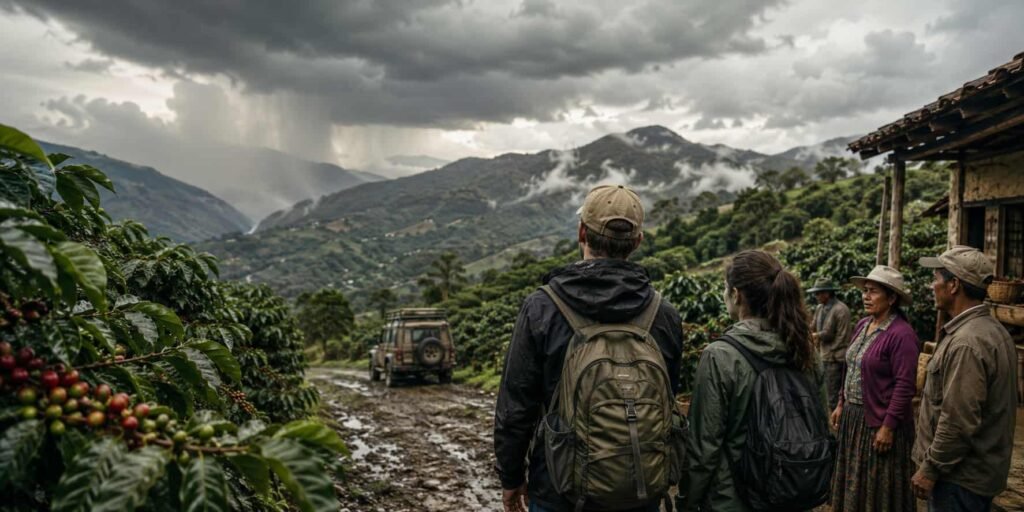
The expansion of coffee farming in some areas has led to habitat loss and environmental pollution. Additionally, issues such as unequal profit distribution and weak labor rights continue to affect many small-scale farmers and workers.
Overall, balancing tourism growth, environmental protection, and social fairness remains a key challenge for the future of sustainable coffee tourism.
Planning a Successful Coffee Tourism Trip
A well-planned coffee tourism journey ensures a smooth and meaningful travel experience. Careful preparation helps travelers enjoy both learning and exploration while understanding the local coffee culture.
Smart Travel Preparation Steps
Travelers should research coffee tourism destinations in advance and select places that match their interests in coffee farms, coffee production, and cultural experiences. Early booking of accommodation and tour activities is important to avoid last-minute issues.
Understanding local customs, travel rules, and regional regulations also helps ensure respectful and safe travel. This improves communication with local communities and supports a more responsible tourism experience.
Responsible and Safe Travel Practices
Practicing safe travel habits and maintaining positive interaction with local people strengthens the impact of sustainable tourism. It helps protect the environment, supports local economies, and builds better community relations.
Overall, good planning improves the quality of the coffee tourism adventure, making it more organized, educational, and enjoyable.
Future Growth of Coffee Tourism
Coffee tourism is expected to grow further as new travel trends focus on cross-cultural exchange, immersive experiences, and deeper cultural learning. Travelers are now seeking more meaningful ways to connect with the global coffee industry.
Technology and Digital Innovation in Travel
Modern technology integration is transforming how people explore coffee tourism destinations. Online platforms and mobile applications now make it easier to find, plan, and book coffee-related activities, such as farm visits, brewing experiences, and coffee workshops.

Global Impact and Industry Transformation
These digital advancements are improving access to coffee tourism experiences worldwide. They are also helping strengthen international connections, promote cultural understanding, and support growth in the global coffee industry.
Overall, the future of coffee tourism is moving toward more connected, tech-enabled, and culturally rich travel experience.
Read Also: What Is the History of Coffee? [Global Journey]Final Thought
Coffee tourism is a meaningful travel experience that connects people with the origin, culture, and heritage of coffee. It allows travelers to explore coffee plantations, learn coffee cultivation, and understand the full coffee production process from farm to cup. This type of travel also supports local communities, promotes sustainable tourism, and encourages fair opportunities for coffee farmers. At the same time, it offers hands-on learning through coffee tasting, brewing activities, and cultural exchange. As technology and global interest grow, coffee tourism will become more immersive, accessible, and environmentally responsible. Overall, it blends education, culture, and sustainability into one enriching journey.
FAQ’s: Coffee Tourism: Explore Global Cultures [Ultimate Guide]
What is a coffee tour?
A coffee tour is a guided experience where people explore different coffee cultures, coffee-growing regions, brewing methods, flavors, and traditions. It helps coffee lovers learn how coffee is grown, roasted, prepared, and enjoyed in famous coffee destinations around the world.
Where should you go on a coffee tour?
You can go on a coffee tour to famous coffee destinations such as Vienna, Colombia, and other places known for their rich coffee culture. These tours let you visit coffeehouses, explore coffee farms, learn about bean varieties, understand different brewing methods, and enjoy local coffee traditions with other coffee lovers.
What is a Stokes coffee tour?
A Stokes coffee tour is a fun and memorable roastery experience for coffee lovers and curious drinkers. Visitors explore the Stokes roastery, learn where coffee beans come from, and enjoy a professional coffee tasting of 8 different coffees, including speciality coffee. The tour also explains light roast, medium roast, dark roast, coffee origins, and different processing methods.
Do you enjoy coffee while travelling?
Many people love coffee even more when they travel because each place offers different flavors, textures, brewing styles, and coffee traditions. From Laos, Israel, Morocco, South India, and Paris, travellers can enjoy a rich coffee journey and discover how different cultures prepare and experience their favorite local coffee.
Why is coffee a great part of travel?
Coffee makes travel more meaningful because it helps visitors enjoy real local culture, traditions, and coffee rituals. Travelers can visit coffee farms, join coffee tastings, learn brewing techniques, and meet skilled local baristas while experiencing the social and cultural value of coffee in different countries.