
![Coffee Filters Matter More Than You Think [Secret]](https://caffeinecue.com/wp-content/uploads/2026/06/Coffee-Filters-Matter-More-Than-You-Think-Secret-1024x512.jpg)
Choosing the Perfect Coffee Filter for Better Coffee
A good cup of coffee starts with the right coffee filter. Although filters may look simple, they play an important role in the brewing process. They help remove coffee grounds, reduce sediment, and create a cleaner, smoother cup.The right filter can also affect the taste, aroma, body, and flavor extraction of your coffee. Whether you use paper filters, metal filters, or cloth filters, each type changes the final result in a different way.
How to Choose the Best Coffee Filter
The right coffee filters can improve your brewing process and help you make a cleaner, better-tasting cup of coffee. Different filters affect the flavor, aroma, coffee oils, sediment, and overall coffee quality in different ways.
Paper Coffee Filters
Paper filters are one of the most common choices for daily coffee brewing. They are easy to use, disposable, and help produce a clear, smooth cup by trapping coffee grounds and reducing fine particles.
Before brewing, it is best to rinse the paper filter with hot water. This helps remove any papery taste and also warms the coffee maker or dripper.
Metal Coffee Filters
Metal filters are usually made from stainless steel or fine mesh. They are reusable, durable, and more eco-friendly than disposable filters.
Because metal filters allow more natural coffee oils and tiny particles to pass through, they often create a richer cup with a heavier body and stronger flavor profile. However, they need regular cleaning to prevent buildup, clogging, and changes in coffee taste.
Cloth Coffee Filters
Cloth filters are reusable filters made from materials such as cotton, hemp, or other natural fabrics. They are a good option for people who want a more sustainable coffee brewing method.
These filters can make coffee that tastes clean, smooth, and balanced. However, they must be washed properly after each use because they can absorb coffee oils, hold stains, and develop unwanted smells over time.
Popular Coffee Filter Brands for Better Brewing
Choosing a trusted coffee filter brand can help improve coffee quality, flavor clarity, and the overall brewing experience. Two well-known options are Bunn coffee filters and Melitta coffee filters, both designed to support smooth, consistent coffee extraction.
Bunn Coffee Filters
Bunn coffee filters are known for their strong paper quality, durability, and reliable performance. These filters help trap coffee grounds, reduce sediment, and support a cleaner cup of coffee.
They are made to fit different Bunn coffee makers, which helps improve water flow, coffee extraction, and brewing consistency. By filtering unwanted particles, Bunn filters help preserve the coffee’s natural taste, aroma, and smooth finish.
Melitta Coffee Filters
Melitta coffee filters are another popular choice for people who want clean and balanced coffee. They are designed for strong filtration performance and help remove fine particles while keeping the coffee’s natural flavor profile.
Melitta offers different filter styles, including basket coffee filters and cone-shaped coffee filters. This makes them suitable for various coffee makers, pour-over brewing, and daily home coffee preparation.
Coffee Filter Storage and Selection Tips
A coffee filter holder is a useful kitchen accessory that keeps your coffee filters clean, organized, and easy to reach. Whether you use Bunn filters, Melitta filters, or another trusted brand, a holder can make the brewing process faster and keep your coffee area neat.
Read Also: Is Mountain Dew Kickstart Safe? [Doctor Insight]Best Ways to Store Coffee Filters
There are many simple ways to store coffee filters at home. You can use a wall-mounted holder, a cabinet organizer, a drawer tray, or a small countertop bin. The best option depends on your kitchen space, daily routine, and the type of coffee maker you use.
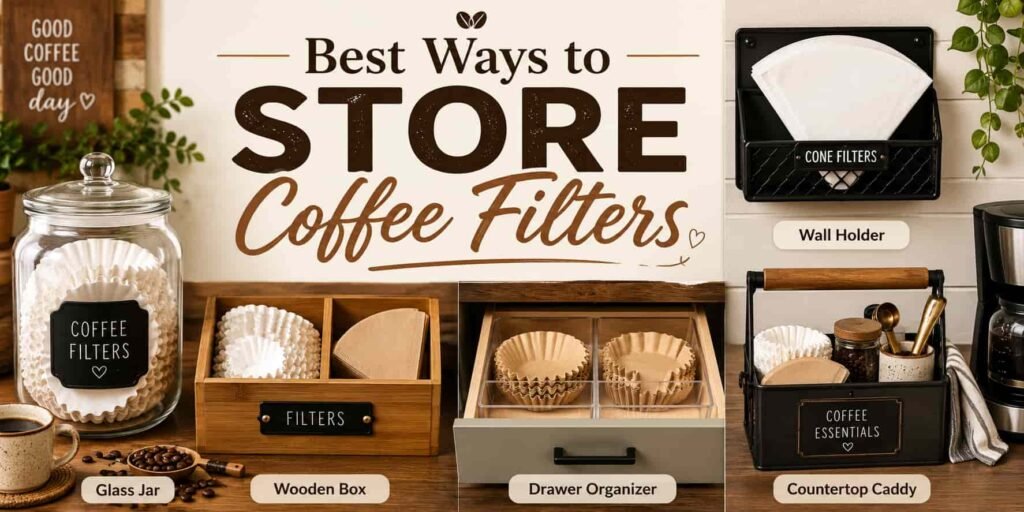
Good storage also helps protect filters from dust, moisture, and damage, which can support better coffee freshness and cleaner brewing.
How to Choose the Right Coffee Filters
Apart from Bunn and Melitta, many other coffee filter brands are available. Some people prefer disposable paper filters because they are easy to use and remove coffee grounds well. Others choose reusable metal mesh filters because they are durable and more eco-friendly.
Before buying filters, check the size, shape, material, and compatibility with your coffee machine, drip coffee maker, or pour-over brewer. The right match can improve water flow, flavor extraction, and the overall coffee taste.
How to Pick the Right Coffee Filter
Choosing the right coffee filter depends on your brewing method, coffee maker, and personal taste. The filter you use can affect the flavor, aroma, body, coffee oils, and overall extraction of your drink.
Choosing a Filter for Your Brewing Method
Paper filters are a good choice for drip coffee makers because they trap coffee grounds, reduce sediment, and create a clean, smooth cup.
Metal filters work well for pour-over coffee and some French press methods. They allow more natural coffee oils and fine particles to pass through, giving the coffee a richer taste and heavier body.
Cloth filters are a reusable and eco-friendly option. They can produce a balanced cup with less waste, but they need proper cleaning after each use to maintain good coffee quality.
Best Practices for Using Coffee Filters
To get better results, place the coffee filter correctly inside your brewer. Make sure it fits securely so the water flows evenly through the coffee grounds.
If you use a paper filter, rinse it with hot water before brewing. This helps remove any paper taste, warms the brewer, and supports better flavor extraction.
Coffee Filter Mistakes to Avoid
Using the wrong filter size or shape can affect the brewing process. A poor fit may cause uneven water flow, weak coffee, or over-extracted bitter coffee.
Another common mistake is not pre-wetting paper coffee filters. This can change the taste and lead to uneven brewing. For the best cup, always match the filter to your coffee machine, dripper, or brewing device.
Modern Coffee Filters and Eco-Friendly Brewing
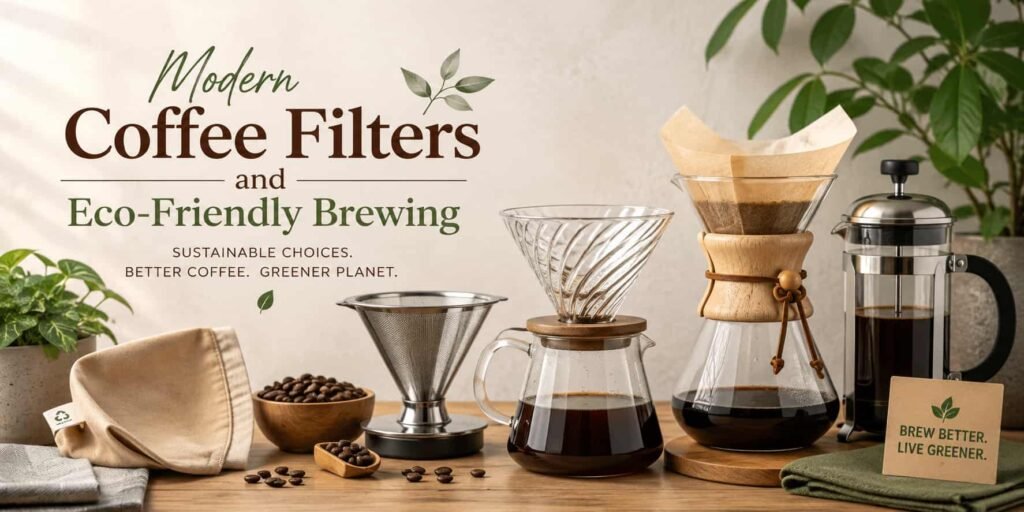
New coffee filter technology is making home brewing cleaner, easier, and more sustainable. Today, many filters are designed to improve coffee flavor, support better extraction, and reduce environmental waste.
New Improvements in Coffee Filter Design
Modern coffee filters now include recyclable, reusable, and more durable options. These filters are made to improve water flow, reduce sediment, and help preserve the natural aroma, body, and taste of coffee.
Many brands are also focusing on sustainable coffee brewing by creating filters that reduce the need for single-use paper products.
Simple Coffee Filter Alternatives
If you run out of regular filters, you can use simple household items as temporary coffee filter alternatives. A clean cheesecloth, fine-mesh sieve, or reusable fabric can help separate coffee grounds from the brewed coffee.
These DIY methods may not be as easy or consistent as standard paper filters, metal filters, or cloth filters, but they can still make a decent cup when needed.
Environmental Impact of Coffee Filters
Many coffee drinkers now choose reusable coffee filters to reduce daily waste. Although they may cost more at first, they can last longer and help lower the use of disposable filters.
Properly disposing of used coffee grounds is also important. Coffee grounds can often be composted, which helps reduce waste and supports a more eco-friendly coffee routine.
Read Also: Coffee Etiquette Guide: Sip Like a Pro [Must-Know]Final Thought
Choosing the right coffee filter can make your daily coffee cleaner, smoother, and more flavorful.FAQ’sEach filter type, including paper filters, metal filters, and cloth filters, affects taste, aroma, coffee oils, and sediment differently.For the best results, always match the filter with your coffee maker and brewing method.Rinsing, proper placement, and regular cleaning can also improve coffee extraction and overall coffee quality.If you want a more sustainable routine, reusable coffee filters are a smart and eco-friendly choice.
FAQ’s: Coffee Filters Matter More Than You Think [Secret]
What is filtered coffee?
Filtered coffee is coffee made by passing brewed coffee through a paper filter. The filter removes many tiny coffee particles, oils, and natural compounds from the drink. It also helps reduce diterpenes, such as cafestol and kahweol, which are linked to higher LDL cholesterol levels. This makes filtered coffee a cleaner and smoother option compared with some unfiltered brewing methods.
What is the difference between filtered and unfiltered coffee?
Filtered coffee passes through a paper filter, which removes many coffee oils, fine particles, and diterpenes like cafestol and kahweol. This makes it lighter, cleaner, and smoother. Unfiltered coffee keeps more of these natural compounds, giving it a richer taste and heavier body. However, drinking too much unfiltered coffee may increase LDL cholesterol because it contains more diterpenes.
Does filtered coffee taste better than unfiltered coffee?
Filtered coffee usually has a clean, smooth, and crisp taste because the paper filter removes many coffee oils and fine particles. Unfiltered coffee has a stronger, richer, and heavier flavour because it keeps more natural coffee compounds. The better choice depends on personal taste, but filtered coffee may be a healthier option because it contains fewer diterpenes, such as cafestol and kahweol, which can affect LDL cholesterol.
Do you need a filter to brew coffee?
A coffee filter is not always required, but it depends on the brewing method. Pour-over coffee usually uses a paper filter to remove fine coffee particles and absorb some coffee oils, creating a cleaner and lighter drink. French press coffee uses a metal mesh filter instead, which separates the coffee grounds from the liquid while keeping more natural oils for a richer taste.
How do you use a coffee filter?
To use a coffee filter, place a paper filter or cloth filter inside the pour-over dripper. If it is a paper filter, fold it along the edges so it fits properly. Rinse the filter with hot water to remove any paper taste and warm the coffee dripper. Throw away the rinse water, then add medium-ground coffee before starting the brewing process.